

For small and scaling businesses, welcoming a new hire presents both a challenge and an opportunity. The first day is more than just a checklist of tasks—it’s about addressing the fears and uncertainties that many new hires face. Will they fit in? Will they succeed?
As an employer, your goal is to ensure they feel they’ve made the right choice. This is your chance to inspire confidence, reduce anxiety, and build a connection that lays the foundation for long-term engagement. A poorly structured first day can lead to confusion and doubt, whereas a well-planned onboarding experience can make a new hire feel supported, valued, and excited about their role.
This guide will help you craft a first day that sets the tone for growth, productivity, and loyalty—ensuring your new team member integrates smoothly and feels motivated to contribute right from the start.
The Importance of Day One
A well-structured first day is crucial for small businesses, especially in technology, fintech, professional services, marketing services, and B2B sectors. Your new hires are key players, and making a positive impression is vital to their retention and productivity. When new hires feel valued from day one, they are more likely to become productive, engaged members of the team.
A great first day can:
- Reduce Turnover: Making new hires feel valued immediately helps to lower the risk of early attrition. When employees feel that their presence is appreciated from the start, they are less likely to reconsider their decision to join.
- Boost Productivity: Getting them familiar with tools and workflows as soon as possible means they can start contributing faster. By having everything ready and making sure they know how to use the tools they need, you are setting them up for early success.
- Build Loyalty: Creating a sense of belonging from the outset fosters long-term loyalty and engagement. Employees who feel a strong connection to the team and company culture from day one are more likely to remain committed to their role.
First-day experiences stick. If handled poorly, they can lead to disengagement and doubt, which can be costly for any business. By being proactive and thoughtful, you can avoid these pitfalls and set your new hires up for success. A well-designed first day is an investment in long-term employee satisfaction and retention, both of which are essential for small businesses looking to grow sustainably.
Crafting a Memorable First Day Experience
The key to creating a memorable first day is preparation and personalization. Whether your new hire is joining in person or remotely, making them feel welcome and supported is essential. Personal touches, such as a welcome note or branded company swag, can go a long way in making a new hire feel like part of the team right from the beginning. Let’s look at how you can craft a great first day experience for both scenarios.
For in-person onboarding, it’s important to focus on both the physical and social aspects of the workplace. Start by preparing their workspace in advance—have their desk ready with supplies, a personal welcome note, and some branded swag. This small touch can make a big impact on how welcomed they feel. A well-prepared workspace shows that you care about their comfort and are excited to have them on board.
Next, give them a tour of the office. Show them key areas like meeting rooms, break areas, and introduce them to their new colleagues in a personal and meaningful way. This helps them feel connected and gives them context for the environment they’ll be working in. Arrange a casual welcome meeting, such as a coffee or lunch, with their manager or team. This informal setting provides a chance for them to relax and start building relationships from the start.
Make sure their technology is set up and ready for use. This means having all their equipment—laptops, software, and accounts—ready to go. IT should be available to troubleshoot any issues so they can hit the ground running without frustration. Nothing is more frustrating than starting a new job and facing technical difficulties, so having IT support available can make a big difference in how smoothly the first day goes.
Remote Onboarding
For remote onboarding, the process needs to be equally thoughtful. Start by ensuring that all necessary technology is shipped to the new hire’s home ahead of time. Include easy-to-follow setup instructions, and schedule an IT support session on their first day to assist with any setup issues. A digital welcome kit, complete with company swag and a personalized note, helps bring some of that in-office experience to their home. Making remote employees feel included is crucial to creating a cohesive team.
Begin the day with a virtual meet-and-greet. Set up a team Zoom call to introduce them to their new colleagues and walk them through the digital workspace, including communication tools and project management systems. It’s crucial that they feel part of the team even if they aren’t physically present, and this initial connection is key to making that happen. Establishing a personal connection early on helps to break the isolation that remote employees can sometimes feel.
Guide them through the tools they will be using daily, such as Slack, Microsoft Teams, Trello, or Notion. Ensuring they understand how to use these tools will help them feel less isolated and more capable of contributing right away. Providing clear guidance on the tools and workflows they’ll be using helps to build their confidence and gives them the sense that they can hit the ground running.
Actionable First Day Steps
To ensure your new hire’s first day goes smoothly, take a proactive approach with these actionable steps that focus on building trust, providing clarity, and fostering a sense of belonging:
- Start with a Personal Welcome: The day should begin with a one-on-one meeting between the new hire and their direct manager. This meeting sets expectations, provides direction, and allows the new hire to ask any questions they may have. Starting with this interaction helps to reduce anxiety and fosters a sense of support. The manager should use this opportunity to explain the immediate goals for the first week and how their role fits into the larger team.
- Introduce Key Team Members: Make introductions intentional. It’s not enough to simply say hello—provide context about each person’s role and how they will interact with the new hire. For in-person hires, a team lunch can be a great way to start building relationships. For remote hires, consider scheduling a series of one-on-one video chats with key team members. These initial introductions help the new hire understand the team dynamics and where they fit in.
- Provide a Clear Agenda: Sharing an agenda for the first day and week helps new hires know what to expect and reduces uncertainty. Include meetings they’ll attend, tools they’ll learn, and people they’ll connect with. This roadmap provides structure and clarity. A clear agenda not only helps the new hire manage their time effectively but also demonstrates that you value their time and want them to feel comfortable in their new role.
- Immerse Them in Company Culture: A big part of feeling connected is understanding the company culture. Share stories or videos about the company’s mission, values, and what makes it a great place to work. Invite team members to share their favorite parts of working there—this personal touch helps new hires see the human side of your organization. Understanding the company culture helps new employees align their values with those of the company and gives them a sense of purpose.
- Assign a Buddy: Assigning a buddy is one of the best ways to make new hires feel supported. This person can help answer informal questions, provide guidance on company culture, and be a friendly face they can turn to for help. A buddy can also help introduce them to team traditions and social norms, which are often the hardest things to pick up when starting a new job. The buddy system is a simple yet highly effective way to make new hires feel more at home.
- Schedule Regular Check-ins: For remote employees, schedule frequent check-ins during the first week to ensure they are comfortable, connected, and not facing any barriers. These check-ins can be quick 15-minute conversations with the manager or HR, providing an opportunity for the new hire to ask questions and share how they are feeling. These touchpoints are particularly important for remote hires to feel they are part of the team.
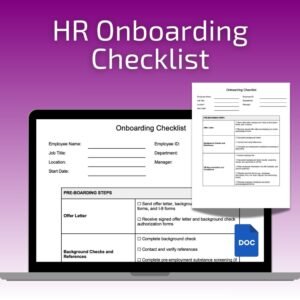
- Provide Onboarding Resources: Give your new hire access to a digital onboarding guide or knowledge base where they can find answers to common questions, learn about company policies, and get familiar with workflows at their own pace. For remote employees, this is especially helpful as they may not have someone immediately nearby to ask simple questions.

Addressing Common Pain Points
New hires often face several challenges on their first day. By being mindful of these potential pain points, you can create an experience that addresses their concerns.
- Feeling Overwhelmed: The first day is full of new information, which can be overwhelming. Break up the day with casual moments like coffee chats or team bonding activities to give them some breathing space. Incorporate time for breaks and informal interactions to keep things from feeling too intense.
- Lack of Clarity: New hires need to know what’s expected of them. Managers should outline clear expectations and set short-term goals to help them focus and feel accomplished. Providing clarity around their role, immediate priorities, and where to seek help can make the first day feel less daunting.
- Feeling Disconnected: Particularly for remote employees, feeling disconnected is a common issue. Regular check-ins and ensuring they are included in communication channels helps maintain a sense of belonging. Providing opportunities for social interaction, even virtually, helps remote employees feel like they are part of the team.
Final Thoughts
The first day is not just about logistics—it’s about connection, clarity, and culture. When new hires feel welcomed and supported from day one, they are more likely to become engaged and productive members of your team. For small and scaling businesses, making a great first impression is crucial to retaining top talent and ensuring their long-term success. By investing time and effort into creating an engaging first day, you set the tone for a positive work experience that benefits both the employee and your organization.
Use the resources on our Onboarding page to make every first day seamless, memorable, and geared for success. A positive first day can lead to lasting loyalty, better performance, and a thriving team dynamic that will drive your business forward.
Read More about Onboarding
Use the resources on our Onboarding page to make every first day seamless, memorable, and geared for success. A positive first day can lead to lasting loyalty, better performance, and a thriving team dynamic that will drive your business forward.